
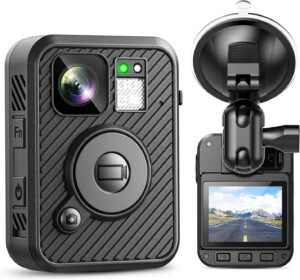
 Body cameras have revolutionized accountability in law enforcement and security sectors. These compact recording devices capture crucial interactions between officers and the public, providing an objective record of events that can protect both parties and serve as vital evidence in legal proceedings.
Understanding how body cameras function helps us appreciate their growing importance across various professional fields. From police departments to private security firms, these devices are becoming essential tools for transparency and documentation.
This comprehensive guide explores the inner workings of body cameras, their key components, activation methods, and real-world applications. Whether you’re considering implementing body cameras in your organization or simply curious about the technology, you’ll gain valuable insights into how these powerful devices operate.
Essential Components of Body Cameras
Body cameras pack sophisticated technology into surprisingly compact devices. Most models are roughly the size of an adult palm, making them practical for extended wear during long shifts.
Camera and Recording System
The heart of any body camera is its high-definition camera system. Modern body cameras typically record in 1080p or 4K resolution, ensuring clear footage that can serve as reliable evidence. The wide-angle lens captures a broad field of view, usually between 120 and 140 degrees, providing comprehensive coverage of interactions.
Frame rates vary by model, but most professional-grade body cameras record at 30 frames per second for smooth video playback. Higher-end models may offer 60fps options for capturing fast-moving situations with greater detail.
Audio Recording Capabilities
Built-in microphones are equally important as the camera itself. These microphones are designed to pick up conversations clearly while filtering out background noise. Many body cameras feature omnidirectional microphones that capture audio from multiple directions, ensuring important dialogue isn’t missed.
Some advanced models include dual microphones or noise-cancellation technology to improve audio quality in challenging environments like busy streets or crowded spaces.
Storage and Memory
Body cameras require substantial storage capacity to handle hours of high-definition video recording. Most devices use removable SD cards or built-in flash memory ranging from 32GB to 128GB or more.
The amount of recording time depends on video quality settings and storage capacity. A 64GB memory card can typically store 8-10 hours of 1080p footage, though this varies based on compression algorithms and manufacturer specifications.
Battery and Power Management
Extended battery life is crucial for body cameras used during long shifts. Most professional body cameras offer 8-12 hours of continuous recording time, though actual battery life depends on recording resolution, ambient temperature, and additional features like Wi-Fi connectivity or GPS tracking.
Many models include power-saving features such as pre-event recording, which continuously records but only saves footage when manually activated or triggered by specific events.
How Body Camera Recording Works
Body cameras employ sophisticated recording systems designed for reliability and ease of use in high-stress situations.
Recording Quality and Settings
Modern body cameras offer multiple recording quality options to balance file size with image clarity. Higher resolution settings provide better detail for evidence purposes but consume more storage space and battery power.
Most professional models default to 1080p recording at 30fps, which provides excellent image quality while maintaining reasonable file sizes. Users can typically adjust settings based on specific needs or departmental policies.
Pre-Event Recording Buffer
Many body cameras feature a pre-event recording buffer that continuously records footage but only saves it when the device is manually activated. This buffer typically stores 30 seconds to 2 minutes of footage before activation, capturing important events that occur before an officer realizes recording is necessary.
This feature ensures crucial moments aren’t lost due to delayed activation while respecting privacy during routine activities.
Data Compression and File Management
Body cameras use advanced video compression algorithms to minimize file sizes without sacrificing quality. Most devices employ H.264 or H.265 compression standards, which can reduce file sizes by up to 50% compared to uncompressed video.
Files are typically saved with timestamps, GPS coordinates (when available), and unique identifiers to maintain chain of custody requirements for legal proceedings.
Activation Methods and Triggers
Body cameras offer various activation methods to suit different operational requirements and ensure important interactions are captured.
Manual Activation
The most common activation method involves pressing a physical button on the device. This button is typically large and easily accessible, allowing officers to activate recording quickly even while wearing gloves or in low-light conditions.
Manual activation gives users complete control over when recording begins and ends, which is important for respecting privacy during non-enforcement activities.
Automatic Triggers
Advanced body cameras can automatically begin recording based on specific triggers:
Weapon Draw Detection: Some models detect when a firearm is removed from its holster and automatically start recording.
Vehicle Activation: Body cameras can sync with patrol car systems, automatically activating when emergency lights are turned on or when the vehicle reaches certain speeds.
Motion Sensors: Built-in accelerometers can detect sudden movements or impacts and trigger recording automatically.
Sound Activation: Certain models can start recording when they detect loud noises like gunshots or shouting.
Remote Activation
Some body camera systems allow supervisors or dispatch centres to remotely activate cameras during emergency situations. This capability ensures recording begins even if an officer is unable to manually activate their device.
Remote activation requires wireless connectivity and is typically limited to emergency situations due to privacy considerations.
Data Storage and Management
Effective data management is crucial for maintaining the integrity and accessibility of body camera footage.
Local Storage Systems
Most body cameras store footage locally on removable SD cards or internal memory. This approach ensures recordings are preserved even if wireless connectivity is unavailable.
Local storage provides immediate access to footage and doesn’t rely on network connections, making it ideal for agencies with limited IT infrastructure.
Cloud-Based Solutions
Many modern body camera systems offer cloud storage options that automatically upload footage when devices are docked or connected to Wi-Fi networks. Cloud storage provides several advantages:
- Automatic backup prevents data loss
- Centralized access for authorized personnel
- Scalable storage capacity
- Enhanced security features
Evidence Management Integration
Professional body camera systems integrate with evidence management software that handles the entire lifecycle of recorded footage. These systems typically include:
- Automatic chain of custody tracking
- User access controls and audit trails
- Redaction tools for protecting privacy
- Integration with case management systems
Real-World Applications and Usage
Body cameras serve various purposes across different sectors, each with unique requirements and challenges.
Law Enforcement
Police departments represent the largest users of body camera technology. Officers typically activate cameras during traffic stops, arrests, public interactions, and emergency responses.
The presence of body cameras has been shown to reduce both use-of-force incidents and complaints against officers, while providing valuable evidence for court proceedings.
Private Security
Security personnel in retail, healthcare, and corporate environments increasingly use body cameras to document incidents and protect against liability claims.
These applications often require longer battery life and more discreet designs compared to law enforcement models.
Emergency Services
Paramedics and firefighters sometimes use body cameras to document emergency responses, particularly in situations involving potential legal issues or training purposes.
The rugged construction and weather resistance of professional body cameras make them suitable for these demanding environments.
Other Professional Uses
Body cameras are finding applications in social work, animal control, building inspections, and other fields where documenting interactions and activities provides legal protection and accountability.
Privacy and Legal Considerations
Body camera deployment involves balancing transparency with privacy rights and legal requirements.
Most jurisdictions have specific policies governing when cameras must be activated, how long footage is retained, and who can access recordings. These policies typically address:
- Notification requirements for recorded individuals
- Restrictions on recording in private spaces
- Procedures for releasing footage to the public
- Data retention and deletion schedules
The Future of Body Camera Technology
Body cameras continue to evolve with advancing technology. Current developments include:
- Artificial Intelligence: AI algorithms can automatically identify and flag important events in recorded footage
- Live Streaming: Real-time video transmission allows supervisors to monitor ongoing situations
- Enhanced Integration: Improved connectivity with dispatch systems and other law enforcement technologies
- Biometric Features: Some models include heart rate monitoring and stress indicators
Making the Most of Body Camera Technology
Body cameras represent a significant advancement in accountability and evidence collection across various professional fields. These sophisticated devices combine high-definition recording, intelligent activation systems, and robust data management to provide reliable documentation of critical interactions.
The technology continues to evolve, offering new features and capabilities that enhance their effectiveness while addressing privacy concerns and operational challenges. Whether used in law enforcement, private security, or other professional applications, body cameras serve as powerful tools for transparency and protection.
Understanding how body cameras work helps organizations make informed decisions about implementation and ensures users can maximize the benefits of this important technology. As these devices become more prevalent, their impact on professional practices and public accountability will likely continue to grow.